Best 360 Camera for Real Estate in 2026
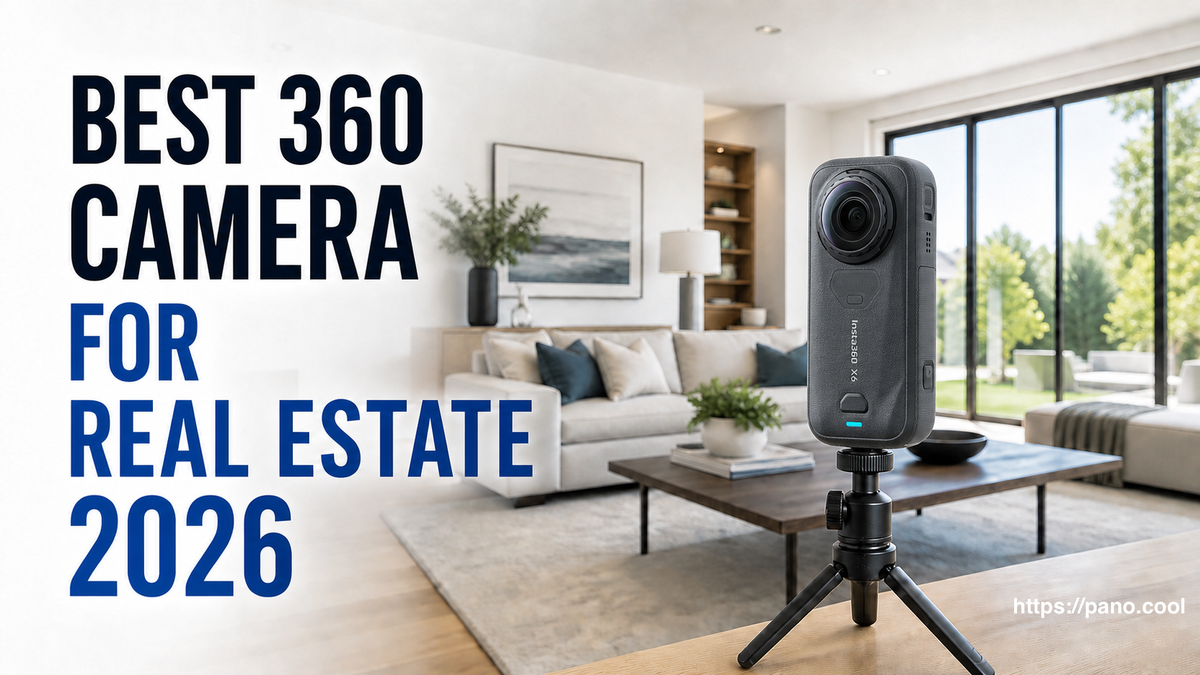
Choosing a 360 camera for real-estate photography can be confusing. Every manufacturer advertises high resolution, large sensors and impressive megapixel numbers. But those specifications do not always tell you how the finished property tour will look—or how much work it will take to create.
For real-estate photography, three things matter most:
- How good the finished photo looks
- How quickly the photo can be prepared
- How much value the camera provides for its price
After comparing the leading options and considering real-world results, the Insta360 X6 is the best overall 360 camera for real estate. The Insta360 X5 is the best-value option, while the Ricoh Theta Z1 is mainly suited to experienced photographers who enjoy manual editing.
The short answer
Choose the Insta360 X6 if you want the best combination of photo quality, easy operation and reliable software.
Choose the Insta360 X5 if you want excellent results while spending less.
Consider the Theta Z1 only if you are comfortable processing and manually stitching RAW photos. It can produce good images, but achieving them requires considerably more work.
Best overall: Insta360 X6
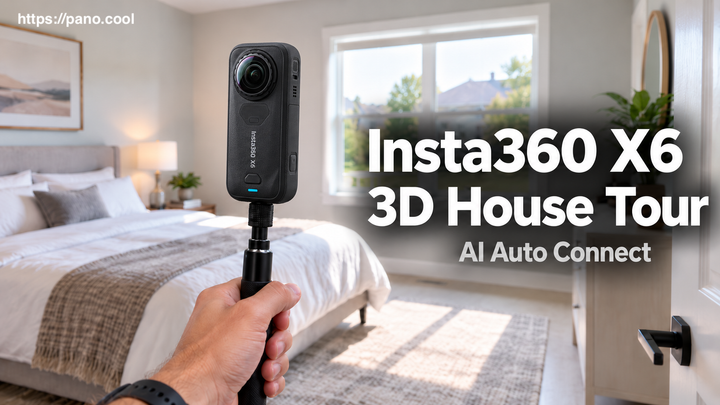
The Insta360 X6 is our top recommendation for most real-estate photographers, especially beginners.
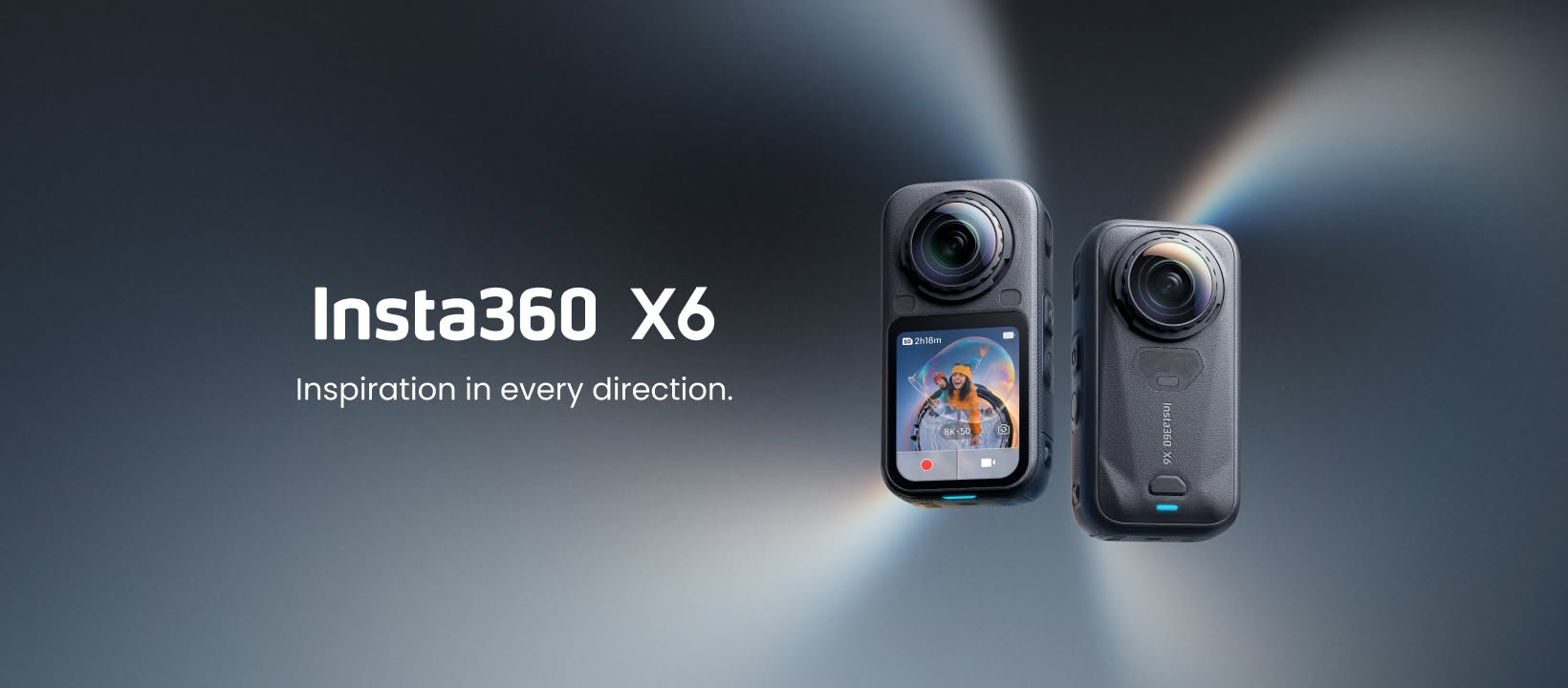
Its biggest advantage is not simply its 120-megapixel resolution. The X6 combines high-resolution capture with good automatic processing, reliable stitching and easy-to-use software. It can save full-resolution 120MP RAW photos, giving experienced photographers plenty of editing flexibility.
For difficult rooms with bright windows and dark corners, the X6 can capture several photos at different brightness levels. These exposures can be combined to preserve both the view outside the window and the details inside the room.
Beginners can rely on the camera’s automatic processing and in-device AI enhancements. More experienced photographers can use RAW files and exposure bracketing for greater control.
The X6 is also a strong multipurpose camera. In addition to property photos, it offers excellent 360 video, numerous shooting modes and capable mobile and desktop applications. This makes it useful for property walkthroughs, social-media videos and general content creation.
Why choose the X6?
- Best finished photo quality in our real-world comparison
- Full-resolution 120MP RAW capture
- Excellent automatic results
- Strong performance in rooms with bright windows
- Reliable stitching
- Good mobile and desktop software
- Excellent 360 video capabilities
- Suitable for beginners and professional editors
The main disadvantage is price. If you only need good property photos and do not need the newest features, the X5 may offer better value.
Best value: Insta360 X5
The Insta360 X5 is the best choice for photographers who want to balance cost, quality and convenience.
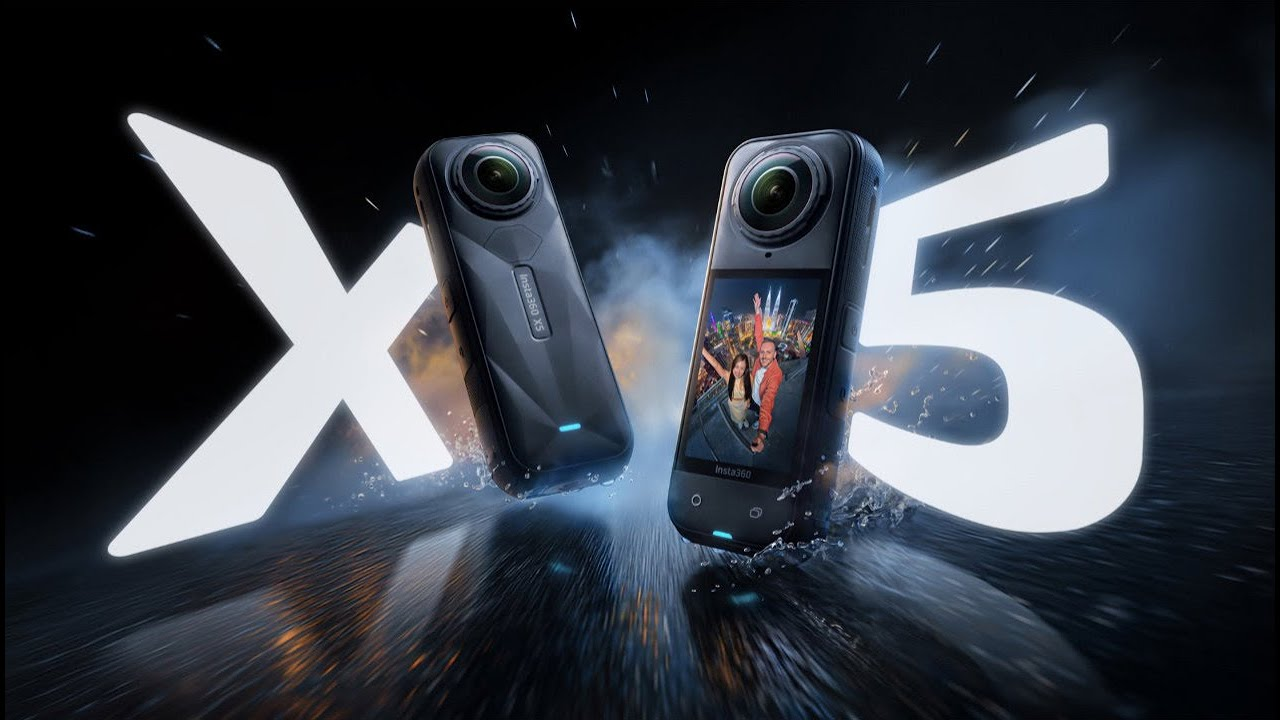
Its photos do not contain as much detail as those from the X6, but they are still very good for virtual tours, property listings and everyday real-estate work. It supports RAW capture and provides a quick workflow through Insta360’s mature software.
The X5 is particularly attractive when available at a discounted price. It delivers much of the X6 experience without requiring the same investment.
Why choose the X5?
- Very good real-estate photo quality
- Lower price than the X6
- RAW support
- Easy editing and export
- Reliable Insta360 mobile and desktop apps
- Good 360 video as an additional feature
For many new real-estate photographers, the X5 provides everything needed to begin creating professional-looking virtual tours.
Best for dedicated manual editing: Ricoh Theta Z1
The Theta Z1 has long been popular with professional virtual-tour photographers. It uses two large sensors and offers adjustable aperture settings, which can be useful in carefully controlled photography.
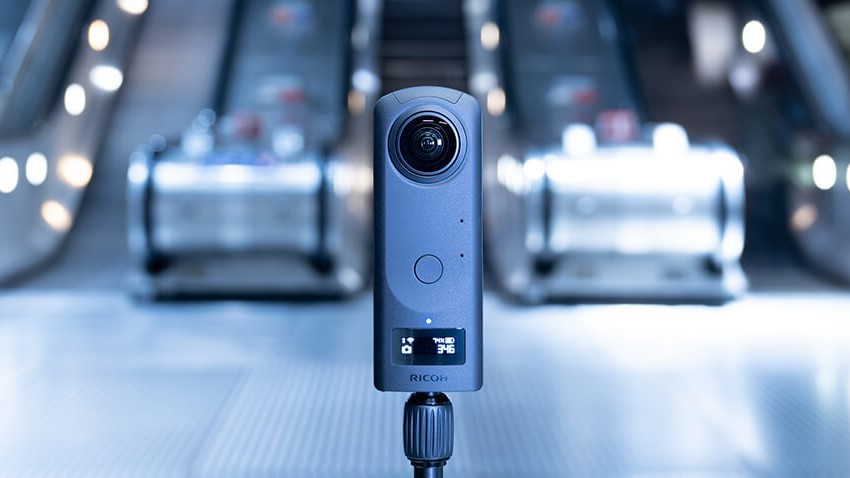
However, its normal stitched JPEG is only 6720 × 3360 pixels. Its dual-fisheye RAW files are larger at 7296 × 3648 pixels, but getting the best result requires RAW processing and additional stitching work.
This workflow can produce clean, natural-looking photographs, but it is slow and requires experience. The Z1’s older camera hardware and software also make it less convenient than the X6.
Most importantly, the Z1 is no longer the automatic winner for maximum image quality. The X6 can capture much higher-resolution RAW photos, use exposure bracketing and produce better finished results in our practical comparison.
Who should buy the Theta Z1?
The Z1 may still suit photographers who:
- Already have an established Theta RAW workflow
- Prefer manually processing every photograph
- Need adjustable aperture settings
- Value complete control more than speed
For beginners, the X6 or X5 will be easier and usually produce better results with less effort.
What about the other cameras?
Kandao QooCam 3 Ultra
The QooCam 3 Ultra offers competitive hardware and can produce detailed photographs. However, it is less widely used, and its software experience is not as polished as Insta360’s.
A camera is only one part of a real-estate workflow. Importing, stitching, editing and exporting photos must also be dependable. The weaker software ecosystem makes the QooCam harder to recommend to beginners, even when its specifications look attractive.
Insta360 ONE RS 1-Inch 360 Edition
The ONE RS 1-Inch 360 has large sensors and good low-light potential. However, it is an older, bulkier system with a slower workflow. Its price is also difficult to justify against newer Insta360 cameras.
It may still be useful for someone who already owns it, but it is not the best new purchase today.
DJI Osmo 360
The original DJI Osmo 360 advertises 120MP photography, but megapixel numbers do not guarantee better detail. In our practical comparison, its visible detail was approximately at the same level as the Insta360 X5.
It also lacks RAW photo capture, which limits how much highlights, shadows and colors can be corrected later. It can be convenient for simple automatic shooting, but it is less suitable for photographers who want maximum editing flexibility.
DJI Osmo 360 II
The Osmo 360 II improves DJI’s position, but the complete camera-and-software workflow still needs to be considered. For beginners, Insta360 currently offers a more established ecosystem for capturing, stitching, editing and exporting 360 content.
Unless the Osmo 360 II is significantly cheaper in your market, the X5 or X6 remains the safer choice for real-estate work.
Our real-estate photography rankings
Highest photo quality
- Insta360 X6
- Ricoh Theta Z1
- Insta360 X5
- Kandao QooCam 3 Ultra
- Insta360 ONE RS 1-Inch 360
- DJI Osmo 360 II
- DJI Osmo 360
The Z1 ranks second because it can still produce strong results with careful manual processing. The X6 takes first place because it delivers better real-world detail while also offering full-resolution RAW capture and exposure bracketing.
Best value for the price
- Insta360 X5
- Insta360 X6
- Kandao QooCam 3 Ultra
- DJI Osmo 360 II
- DJI Osmo 360
- Ricoh Theta Z1
- Insta360 ONE RS 1-Inch 360
This ranking considers more than the purchase price. It also includes photo quality, software, availability and the time required to finish each image.
Quickest workflow
- Insta360 X6
- Insta360 X5
- DJI Osmo 360 II
- DJI Osmo 360
- Insta360 ONE RS 1-Inch 360
- Kandao QooCam 3 Ultra
- Ricoh Theta Z1
The X6 wins because its automatic processing can produce an attractive result without requiring extensive editing. Its mobile and desktop apps also make stitching and exporting relatively straightforward.
Which camera should a beginner buy?
For most beginners, the decision comes down to the X6 and X5.
Buy the Insta360 X6 if you:
- Want the best photo quality
- Prefer good results straight from the camera
- Photograph rooms with challenging light
- Want both RAW editing and a quick automatic workflow
- Also plan to create 360 videos
Buy the Insta360 X5 if you:
- Want to spend less
- Mainly create virtual tours and property listings
- Still want RAW support and reliable software
- Do not need the highest possible resolution
The X6 costs more, but it is the camera a beginner is less likely to outgrow. The X5 is the smarter purchase when budget is the main concern.
Final verdict
The Insta360 X6 is the best overall 360 camera for real-estate photography. It provides the strongest finished photo quality, an easy workflow and enough advanced options for professional editing.
The Insta360 X5 is the best-value choice. It produces very good property photos, works with the same mature software ecosystem and costs less.
The Theta Z1 remains a specialist camera, but it is no longer the clear quality leader. Its best results require significantly more processing, while the X6 offers higher-resolution RAW capture, exposure bracketing and better real-world output with less effort.
For a beginner who wants to start photographing properties without becoming an expert in RAW processing and manual stitching, the X6 is the easiest camera to recommend.
Build Real Estate Virtual Tour with PanoCool
After choosing the right 360 camera, you also need an easy way to turn your photos into a professional property experience. PanoCool is the best virtual tour studio for creating, customizing and sharing beautiful real-estate tours. Its beginner-friendly workflow helps you transform 360 photos into an engaging virtual tour without complicated software, making it an ideal companion for the Insta360 X6, X5 and other 360 cameras.
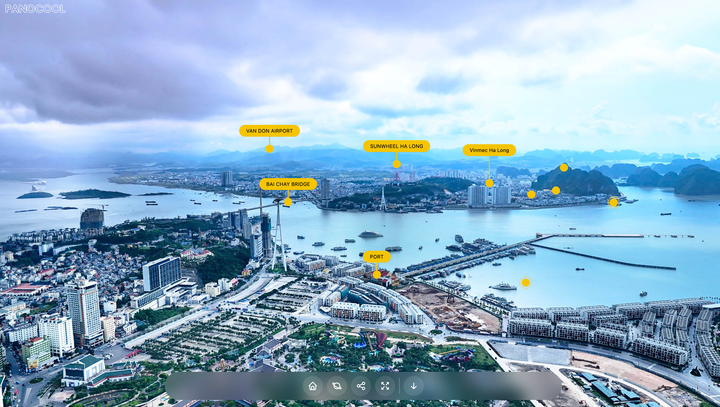
Example of virtual tours: https://pano.cool/gallery